根付:彼得·卡尔·Fabergé 雕刻背后的灵感来源
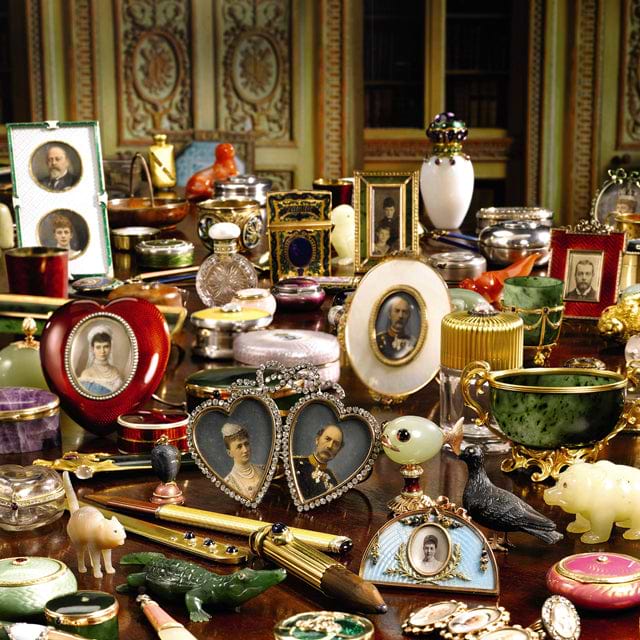
Peter Carl Fabergé was an avid collector of netsuke, miniature sculptures that originated in 17th century Japan. His passion for Japanese art and respect for the craft led to the creation of incredible carvings, forever part of Fabergé's heritage.
In celebration of Peter Carl's 180th birthday, the Maison explores the legacy of the man who dedicated his life to the art of craftmanship, creating one the most emblematic jewellery empire of his time.

A Story of Tradition
Anchored in the country’s fashion history, these artistic accessories emerged out of pure practical need. Worn around the waist as decorative pendants, they were attached to an inro, a small wooden box that held personal belongings.
Netsuke blend artistry with precision, requiring specific skill sets and the hands of talented sculptors to achieve such a level of detail. Over the years, netsuke became beloved Japanese masterpieces, admired by artists and collectors worldwide.

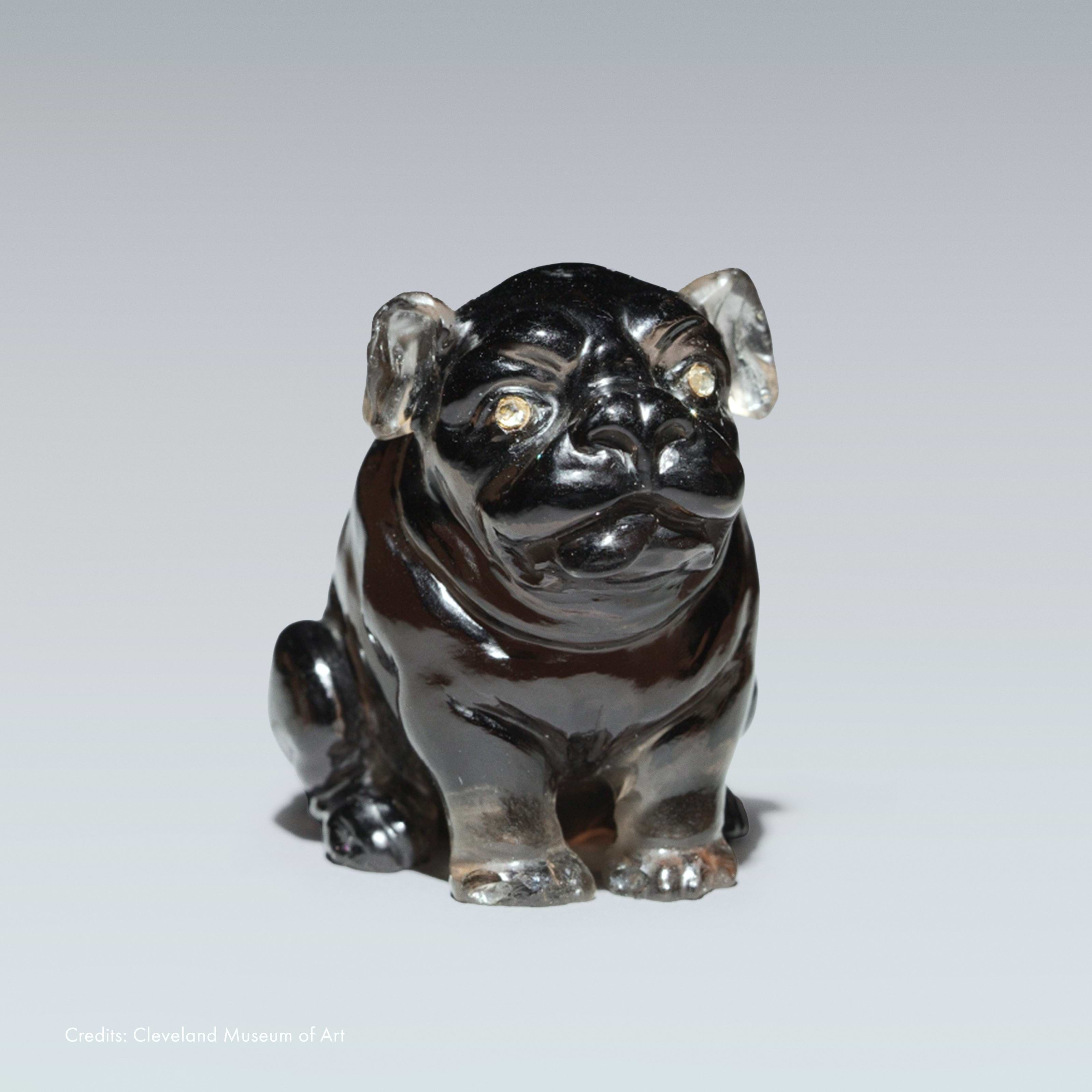
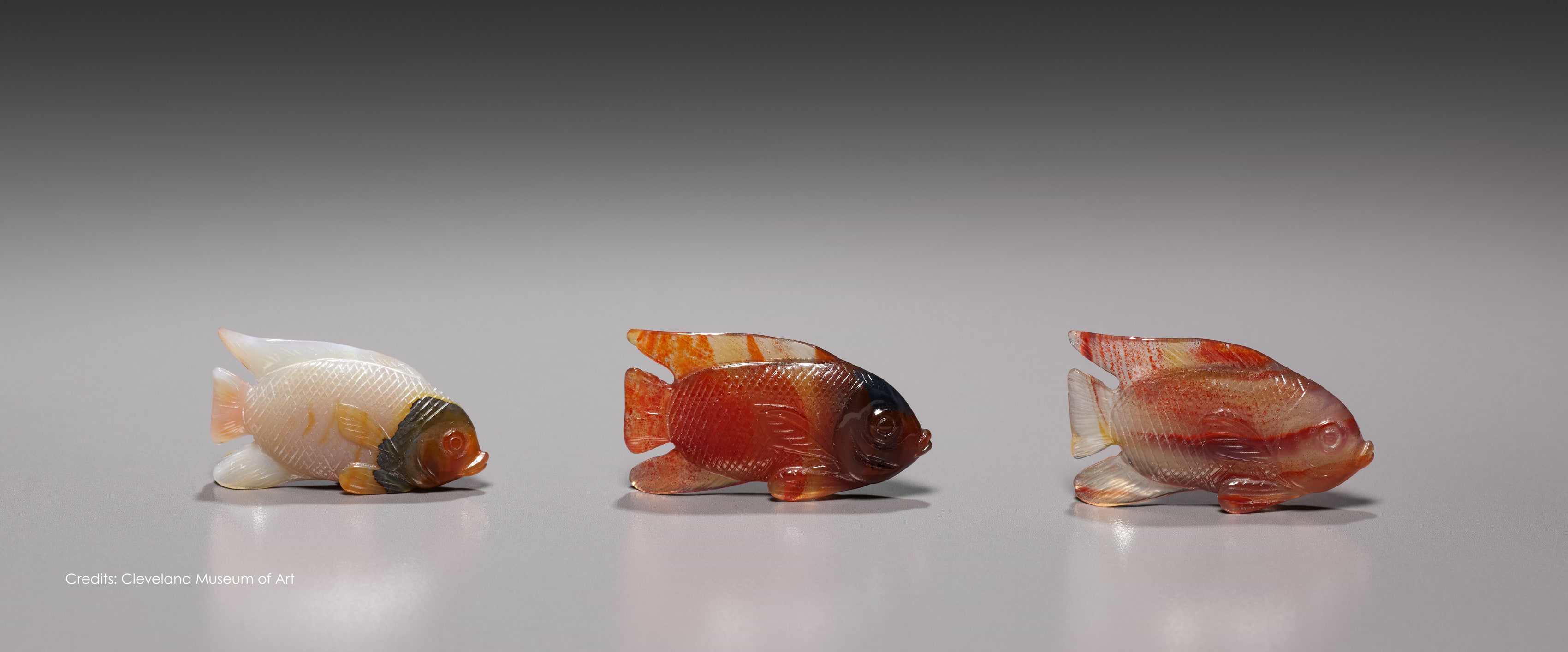
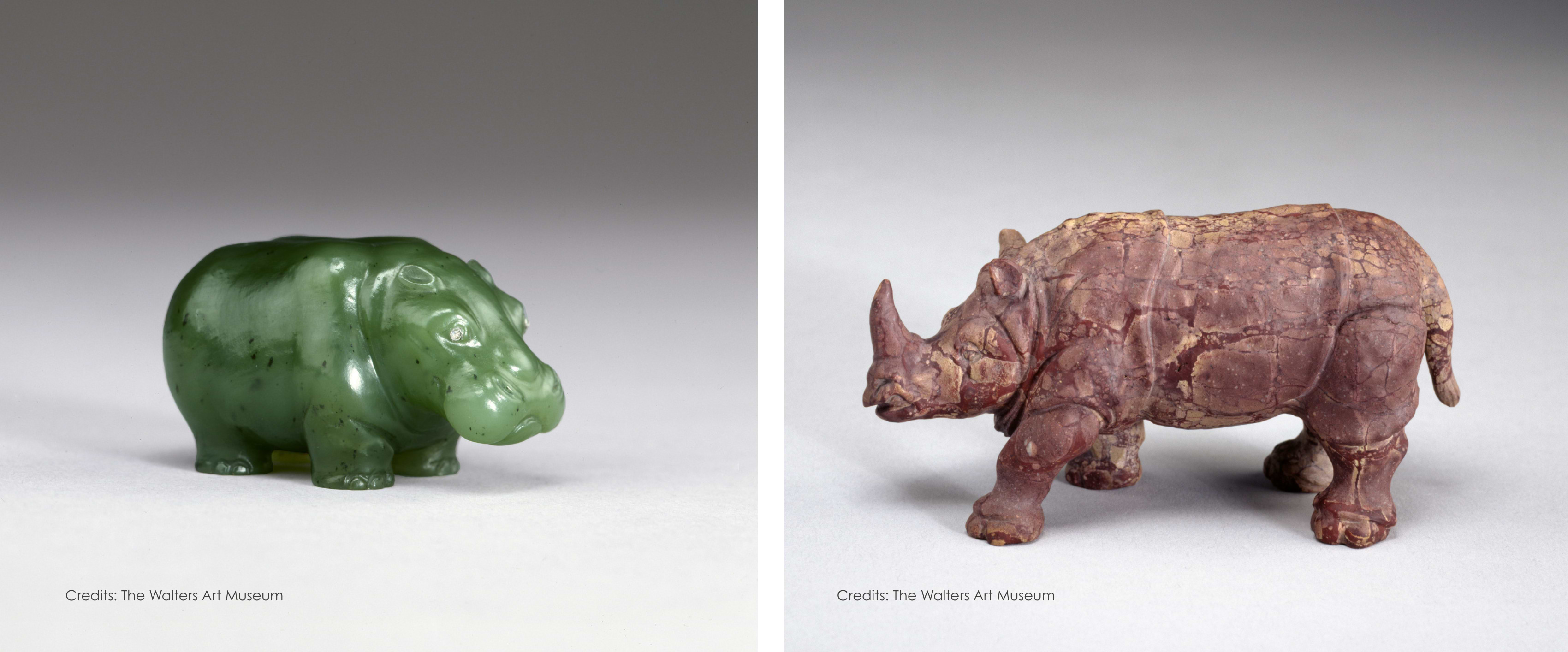
Peter Carl owned over 500 netsuke, all kept in his Morskaya Street apartment in St. Petersburg. These Japanese carvings are rumoured to have inspired Fabergé’s series of animal carvings, traditionally set with precious gemstones like diamonds or rubies.
While netsuke were traditionally crafted from soft organic materials such as ivory or wood, Fabergé reinterpreted these traditional sculptures by carving them from stones such as nephrite and obsidian.