
The Architect of Surprise: Fabergé’s 180th Anniversary
This year, Fabergé celebrates the 180th anniversary of Peter Carl Fabergé, the visionary behind the imperial egg series who forever established the name of Fabergé as one that resonates with prestige and exceptional artistry. Considered as one of the finest jewellers and goldsmiths of all time, Fabergé forever redefined the jewellery landscape, opening the artistic possibilities for generations to come.

![]() Artist
Artist
At the age of 18, Gustav Fabergé’s son Carl was sent on a journey that will change the course of the Maison’s artistic story. The young artist travelled the world to embrace the cultural diversity of Paris, Florence, Frankfurt and London. Trained by respected goldsmiths, he returned eight years later to Saint Petersburg in 1872, full of aspirations and a creative vision that would later inspire the world of jewellery.
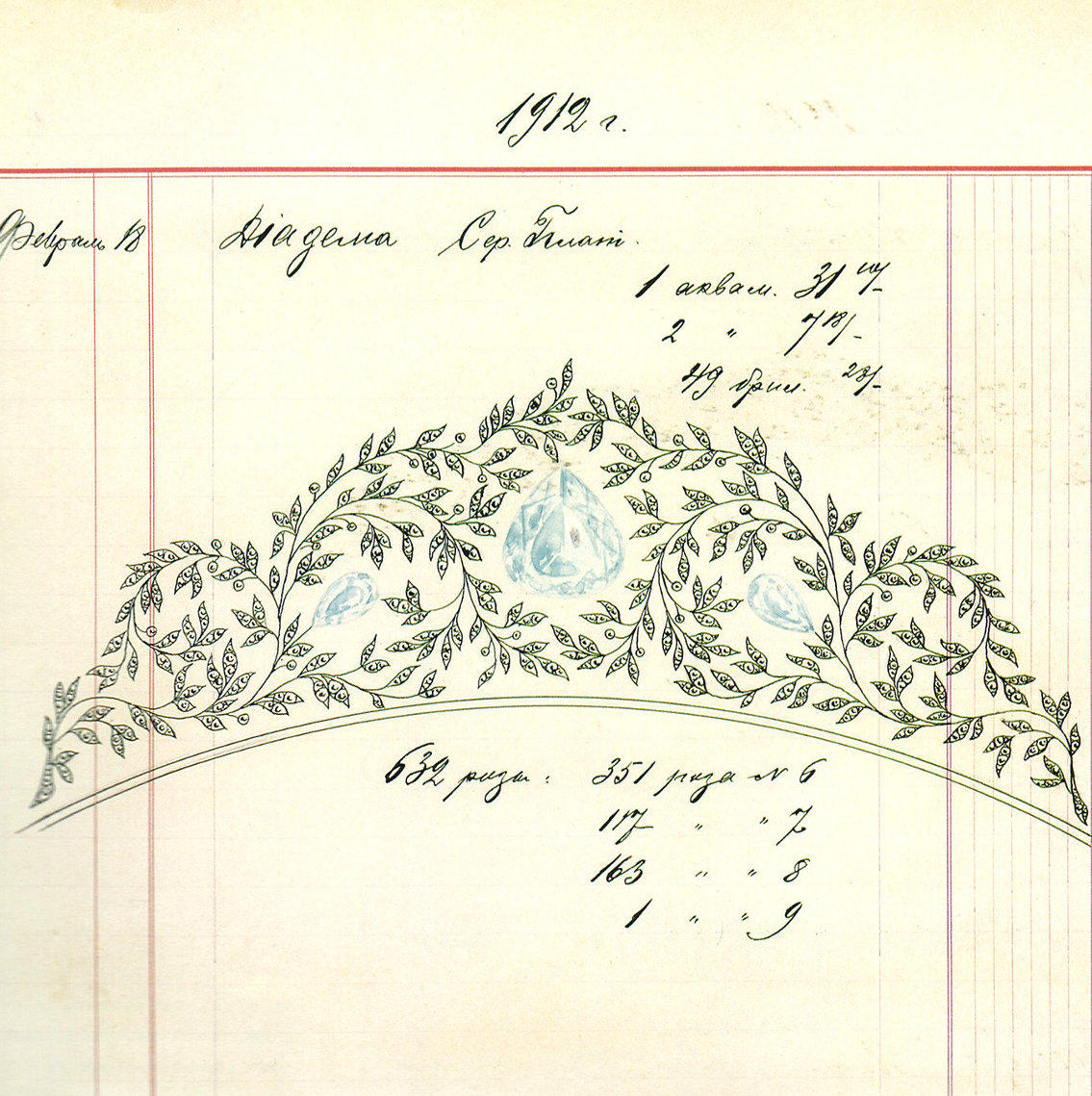
Businessman
In 1882, Peter Carl was left in charge of the family business. He quickly built a jewellery empire, employing over 500 craftsmen and designers, making Fabergé a respected name amongst his peers. Under Carl, Fabergé became the largest jewellery firm in Russia and expanded outside the empire.
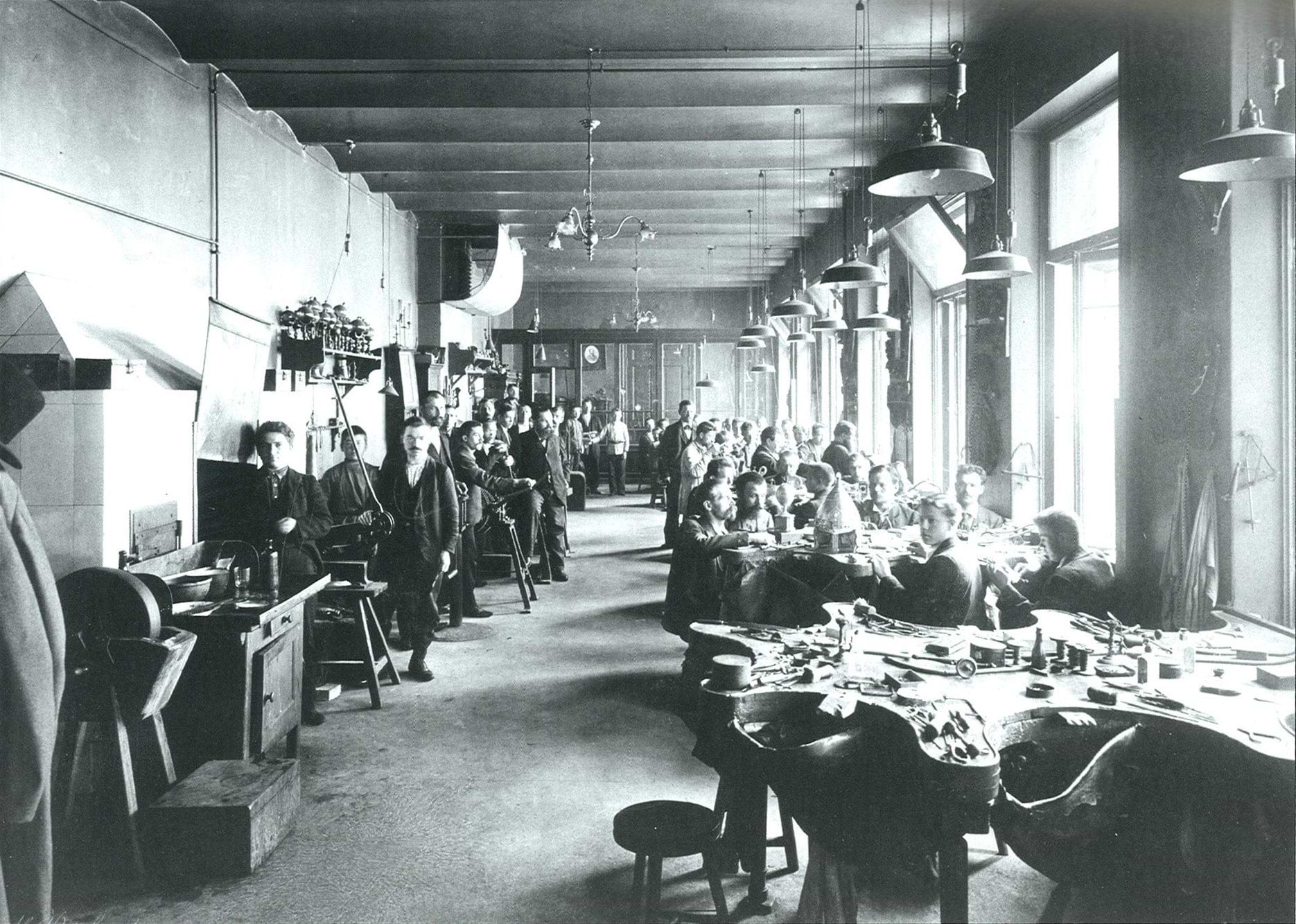
He worked with skilled workshops of talented artisans to optimise production, creating a system that played a crucial part in the growth of the firm. The savvy businessman understood the importance of scaling up.
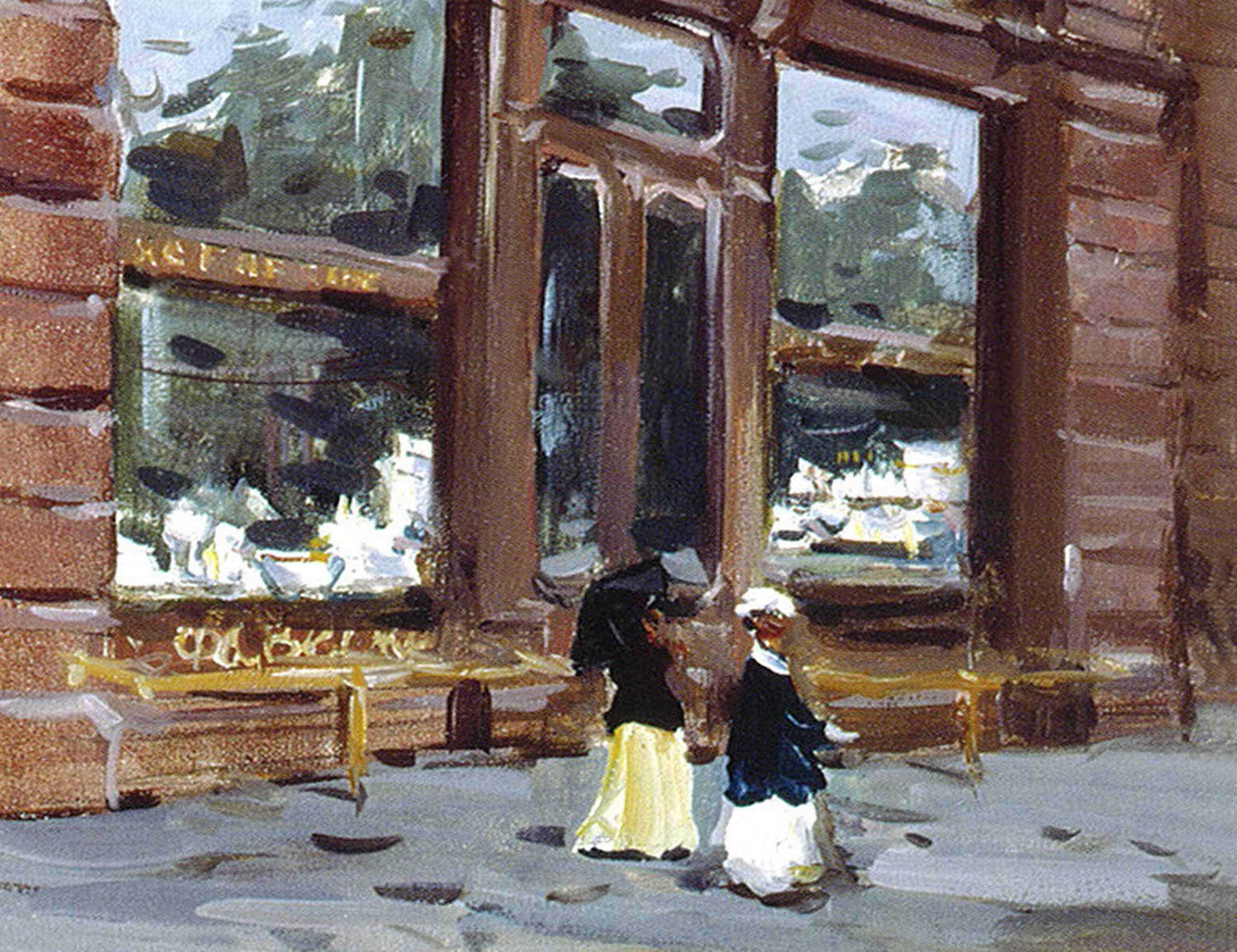
 In 1900, he commissioned the renowned architect Carl Schmidt to design a four-storey flagship store. Between 1887 and 1905, Peter Carl successively opened branches in Moscow, Odessa, London and Kiev. Despite his French descendance, he strategically opened doors in London over Paris, due to his close relationship to the the British royal family.
Innovator
In 1885, Tsar Alexander III commissioned the first Imperial Egg, impressed by Fabergé’s work at the Moscow Pan-Russian Exhibition. The egg in question, delicate and simple at first glance, hides a regalia of surprises. A golden yolk encapsulates a golden hen set with ruby eyes, which opens to reveal a miniature replica of the Imperial Crown with a ruby egg pendant attached; both now lost.
This work of art forever changed the course of the jeweller’s story, positioning Fabergé as a brand of exception and grandeur. The same year, the jeweller was given the title of Supplier of the Court of His Imperial Majesty.
More than an innovator, Peter Carl Fabergé moved away from traditional jewellery-making to embrace the intricacy of guilloché enamel and designs inspired from his travels.
This creative pursuit set Fabergé apart from other jewellers, with Peter Carl emerging as its leading figure.


